
Organisation guide
How to Organise Your Pantry
An organised pantry means you can see what you have, food stays fresher, and you stop buying duplicates. The secret is simple: zone the shelves, decant dry goods into airtight jars, and rotate older stock first.
Not just jars
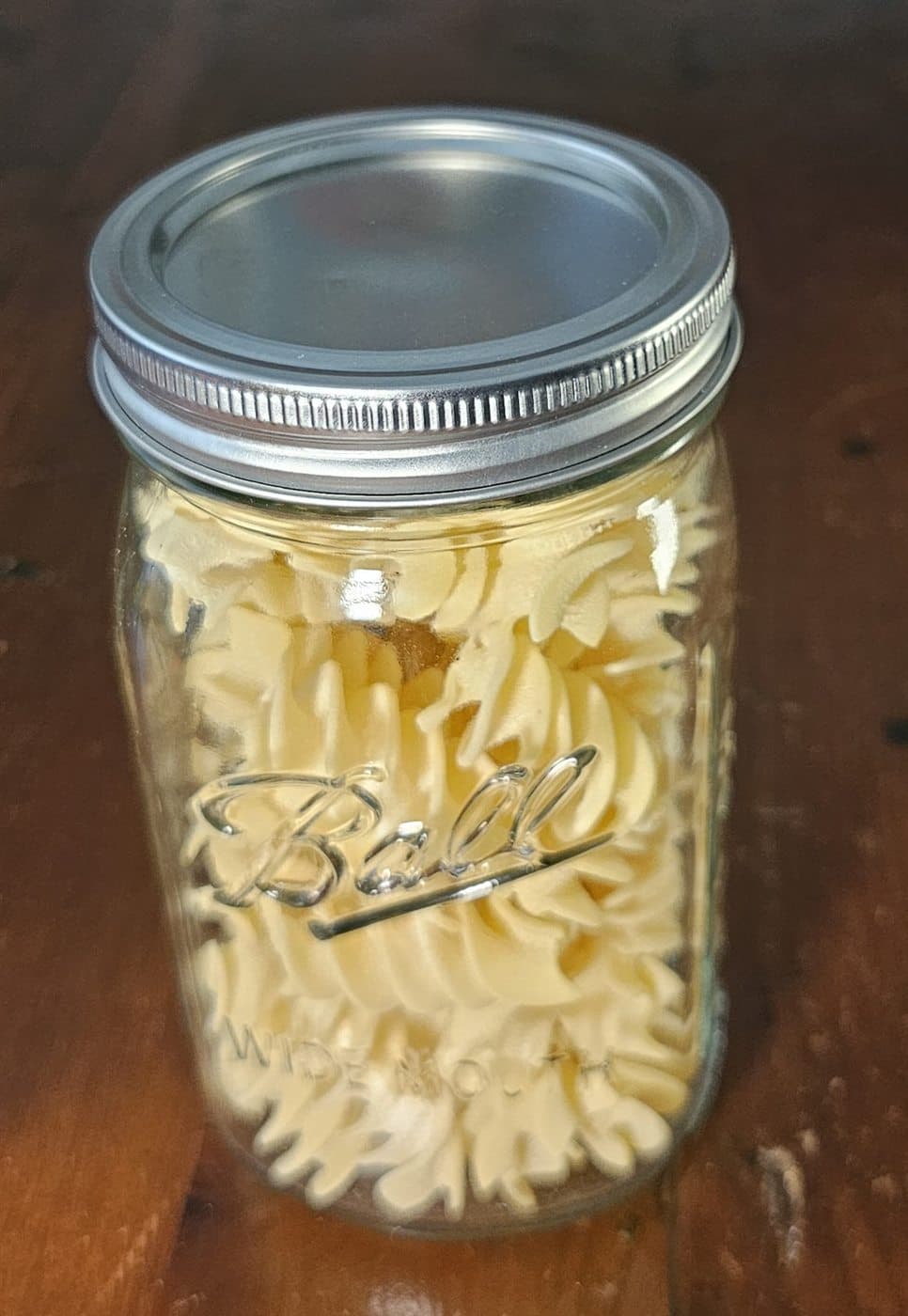
Dry goods like noodles and pasta can be portioned into sealed bags as well as jars.
Four Steps to an Organised Pantry
Empty and sort
Take everything out, check use-by dates, and group like with like — baking, grains, snacks, tins, jars.
Zone the shelves
Give each category a home: everyday items at eye level, bulk and backups up high, heavy tins down low.
Decant dry goods
Move rice, flour, pasta, nuts and snacks into airtight jars or containers to keep them fresh and pest-free.
Label and date
Label every jar with its contents and date so you can rotate older stock to the front and use it first.
Pantry Organisation Tips
- Decant dry goods into airtight jars or containers to slow staleness and keep pests out.
- Vacuum-seal Mason jars of coffee, grains and snacks to remove the air and keep them fresher for longer.
- Run a first-in-first-out system — newest at the back, oldest at the front.
- Keep a “use soon” basket for items near their date so nothing is forgotten.
- Store in a cool, dry, dark spot away from the oven and direct sun.
- Keep a quick inventory so you stop double-buying staples you already have.
Dry goods, sealed fresh
Vacuum-Seal Your Pantry Jars
Jars look tidy, but the air inside still stales coffee, grains and nuts over time. Vacuum-sealing Mason jars removes that air, which can help keep dry staples fresher for longer — and the cordless SealSaver seals both regular and wide-mouth jars in seconds.
Pantry Organisation FAQs
Empty and sort everything, group like with like, then give each category a zone: everyday items at eye level, bulk up high, heavy tins down low. Decant dry goods into airtight jars, label and date them, and rotate older stock to the front.